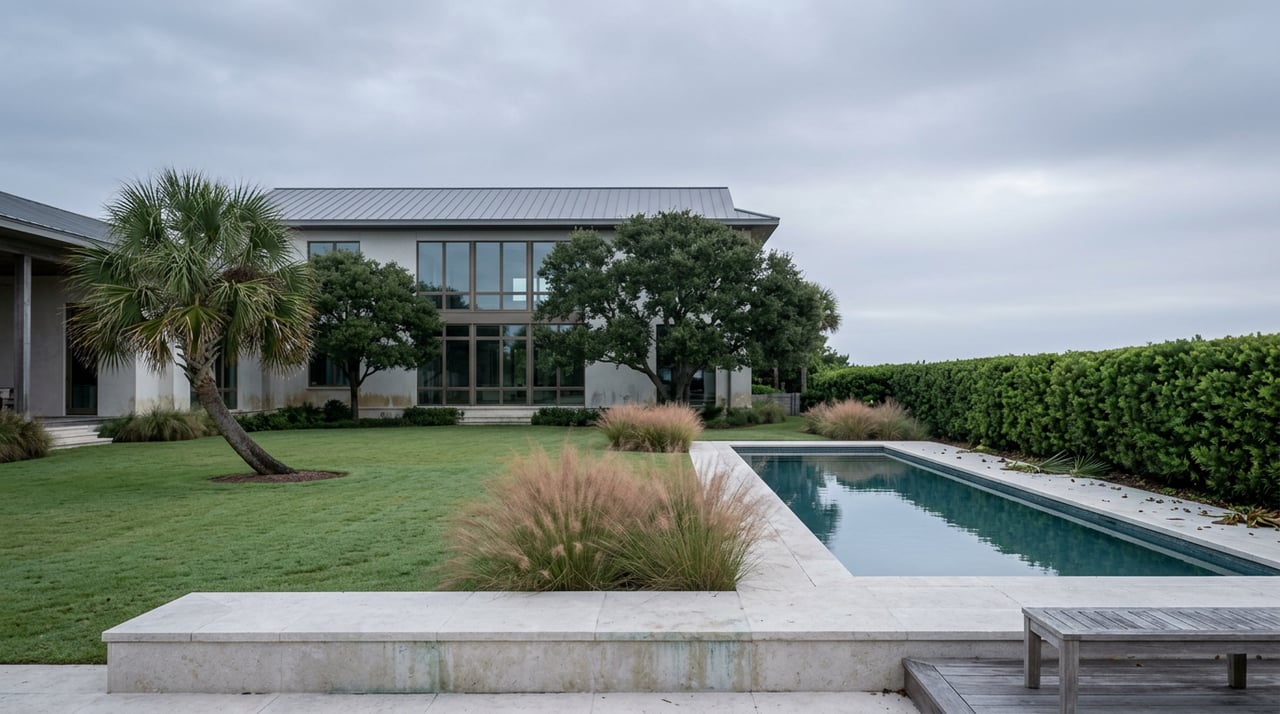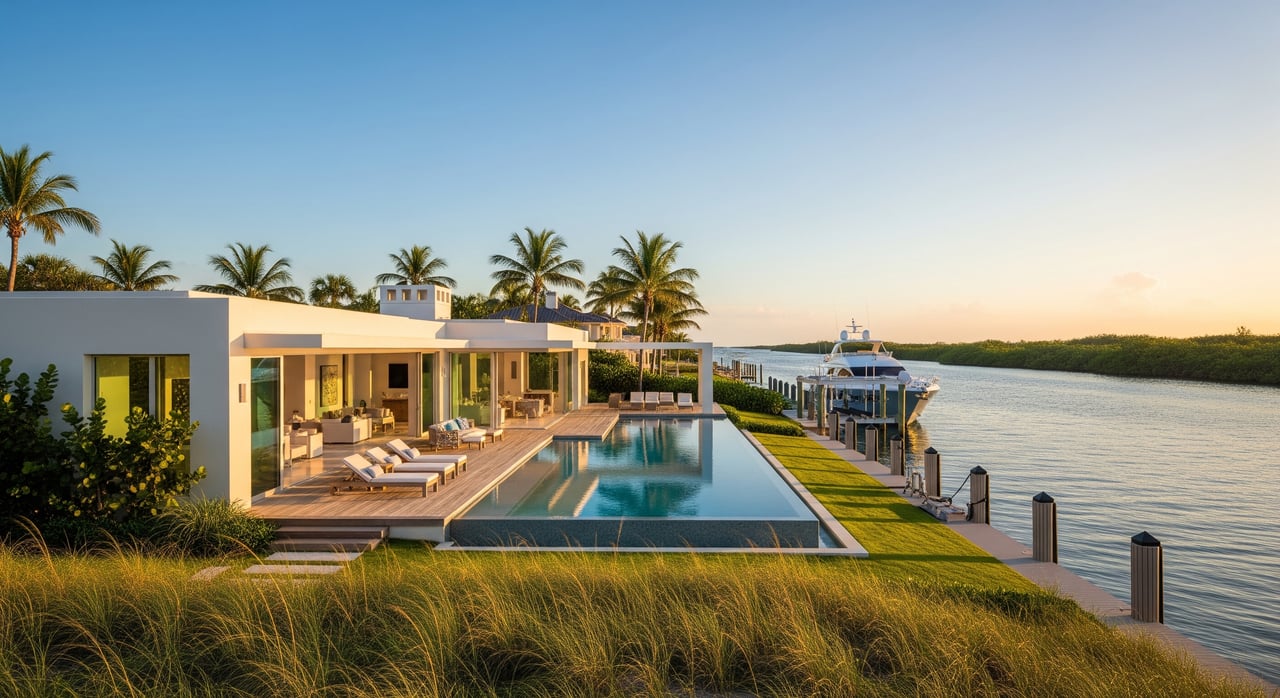
Imagine waking to an Atlantic sunrise, spending the day on calm lagoon waters, then toasting a glowing sunset over the Intracoastal — all without leaving home. If you’re drawn to privacy, water, and refined coastal living, Jupiter Island’s ocean-to-Intracoastal properties hold a rare appeal. In this guide, you’ll learn how life flows on a narrow barrier island, the design details that make it effortless, and the due diligence that protects your investment. Let’s dive in.
Ocean-to-Intracoastal living defined
A rare Jupiter Island setting
Jupiter Island is a slender barrier island with the Atlantic Ocean on one side and the Indian River Lagoon/Intracoastal Waterway on the other. The community is primarily residential and low density, which supports a quieter way of life. Homes with both ocean frontage and Intracoastal access are scarce compared with single-frontage properties. That rarity shapes demand among buyers who want direct beach access plus private dockage or immediate boating access.
Daily rhythms from sunrise to sunset
Mornings often start on the ocean side, where east-facing rooms and terraces capture the sunrise and offer easy access for beach walks and surf sessions. Midday, the Intracoastal side shines with boating, paddleboarding, and calm-water swimming. Evenings tend to gather around west-facing spaces that frame the sunset over the lagoon. With the right layout, you can plan each day by the light and the water.
Home design that maximizes both shores
Orientation and view planning
Architects on Jupiter Island often orient primary living spaces and suites toward the ocean for sunrise or toward the lagoon for sunset. Many designs incorporate dual-aspect rooms or glass walls to capture both views. The goal is simple: place your daily life where the scenery is most inspiring.
Indoor–outdoor flow and storage
Expansive lanais, porches, and roofed terraces create shaded transitions between interiors and the elements. These areas support outdoor dining and provide comfort during storm season. Smart storage is essential. Look for secure, ventilated spaces for boards, kayaks, fishing gear, and boat supplies. A well-sized garage and mechanical rooms can make an active water lifestyle easy.
Elevation and resilient planning
Barrier-island building often elevates main living areas to meet flood codes and preserve parking or storage below. Ask about structural elements that support resilience, such as impact-rated glazing, roof tie-downs, and wind mitigation features. Elevated entries, thoughtful circulation, and durable materials can reduce maintenance and add peace of mind.
Docks, depth, and navigation
Dock types and permits
The dock is the heart of Intracoastal living. You’ll see fixed pile-supported docks and floating docks, sometimes with boat lifts and finger piers. Confirm whether the dock and lifts are permitted and review construction details and maintenance records. Proper permits and as-built documentation protect you if you plan upgrades.
Depth, channels, and clearances
Year-round boating depends on water depth at mean low tide, proximity to maintained channels, and bridge clearances en route to the inlet. Some docks are best for shallow-draft boats, while others suit larger vessels. Verifying depth and navigating constraints before you buy helps avoid surprises.
Utilities at the dock
Electric, water, and pump-out access raise the convenience of keeping a boat at home. Note the lift capacity and whether utilities are sized for your vessel. These details affect daily use and long-term upkeep.
Buyer due diligence on Jupiter Island
Shoreline and seawalls
Inspect seawalls and shorelines for erosion, settlement, or undermining. Ask about age, materials, and the timing of any repairs. Understanding condition and maintenance history helps you plan for future work and budget accordingly.
Flood zones and elevation
Determine the property’s FEMA flood zone and Base Flood Elevation, then compare the finished floor elevation to that benchmark. If available, review any flood insurance claims history. Elevation certificates and accurate flood information will inform insurance needs and lending.
Structure and systems
Review wind mitigation features, impact glazing, and compliance with current Florida Building Code provisions for coastal construction. Confirm elevation certificates and recent upgrades. These items can influence insurability and reduce storm-related risk.
Utilities and access
Verify whether the home is connected to sewer or operates on septic or a community package plant. Septic condition, capacity, and setbacks matter for health and future improvements. Also confirm any recorded easements, public beach access points, or utility rights-of-way that might affect privacy or plans.
Insurance, costs, and financing
Barrier-island properties typically require flood insurance. Coastal homes also face higher wind risk, and many policies carry named-storm deductibles. Factor in ongoing maintenance for seawalls, docks, and potential dune or shoreline work, plus any HOA or town fees. Lenders often request elevation certificates and will consider coastal features, such as docks and seawalls, in the appraisal.
Rules and stewardship that shape life
Lighting, turtles, and quiet waters
Florida’s Atlantic beaches host sea turtle nesting, and many communities enforce beachfront lighting rules to protect hatchlings in season. The Indian River Lagoon is an ecologically sensitive system with seagrass beds and manatee habitats, so no-wake zones and careful boating are part of daily life. These measures support both the environment and a peaceful waterfront experience.
Permits and the coastal line
New construction and major renovations must meet Florida Building Code coastal provisions and local permits in the Town of Jupiter Island and Martin County. The Coastal Construction Control Line can limit or condition work seaward of a designated point to protect dunes and beaches. Dune stabilization, vegetation, and shoreline changes may also require state or county approvals.
Rentals, riparian rights, and wakes
Short-term rental and occupancy rules vary by municipality and HOA. If income is part of your plan, verify regulations early. Riparian rights, including the ability to place docks waterward of your property, depend on recorded title and permit approvals. Boat wake and noise rules on the Intracoastal help maintain safety and shoreline health.
Quick buyer checklist
- Confirm FEMA flood zone, Base Flood Elevation, and an elevation certificate.
- Review seawall, dune, and shoreline condition and maintenance records.
- Obtain permits and as-built documentation for docks, lifts, and seawalls.
- Measure depth at mean low tide and check distance to maintained channels and bridge clearances.
- Verify utilities: sewer vs. septic, stormwater systems, and any recent upgrades.
- Check local rules for rentals, beach lighting during turtle season, and boat operation.
- Review HOA or town covenants, including exterior, landscaping, and dock restrictions.
- Get estimates for home, wind/hurricane, and flood insurance to assess total cost.
- Engage coastal specialists as needed: marine surveyor for docks, coastal engineer for erosion, and a real estate attorney for easements and riparian rights.
Is ocean-to-Intracoastal right for you?
If your priorities include privacy, sunrise-to-sunset water views, and dock-to-ocean convenience, this lifestyle can be a perfect fit. The trade-offs are real: higher maintenance, specialized insurance, and permitting steps that inland buyers rarely see. With informed planning and the right team, you can position your home to embrace the best of both shores. The key is aligning the property’s orientation, dock capabilities, and resilience features with how you actually live.
Work with local, design-led guidance
On Jupiter Island, details make the difference. From sightlines and storage to elevation and permits, each choice shapes your daily experience and long-term value. With multi-decade local roots and design-and-construction fluency, Susan Turner and The Jupiter Island Team offer boutique, hands-on advisory, high-production marketing, and discreet negotiation support tailored to this unique market. If you’re considering ocean-to-Intracoastal living, let’s talk about how to make it seamless. Visit Susan Turner. Let’s Connect.
FAQs
What does ocean-to-Intracoastal ownership mean on Jupiter Island?
- It typically describes a barrier-island property with Atlantic beach access on one side and Indian River Lagoon/Intracoastal dockage or access on the other, enabling both beach and boating lifestyles.
How do flood zones and elevation affect costs on Jupiter Island?
- FEMA flood zone, Base Flood Elevation, and your finished floor elevation influence flood insurance requirements and premiums, and lenders often review elevation certificates during underwriting.
What should you verify about a private dock on the Intracoastal?
- Confirm permits and as-built documentation, construction type and condition, lift capacity, utilities at the dock, water depth at mean low tide, proximity to channels, and any bridge clearance limits.
How do local rules impact beachfront homes during turtle season?
- Many communities enforce beachfront lighting controls and seasonal measures to protect nesting sea turtles and hatchlings, which may guide outdoor lighting and window treatments.
What is the Coastal Construction Control Line and why does it matter?
- The CCCL is a regulatory line along Florida’s coast that can limit or condition construction seaward of it to protect dunes and beaches, affecting renovations and new build plans.
Are short-term rentals allowed on Jupiter Island?
- Rental rules vary by municipality and HOA; verify local ordinances and deed restrictions early if rental income is part of your strategy.