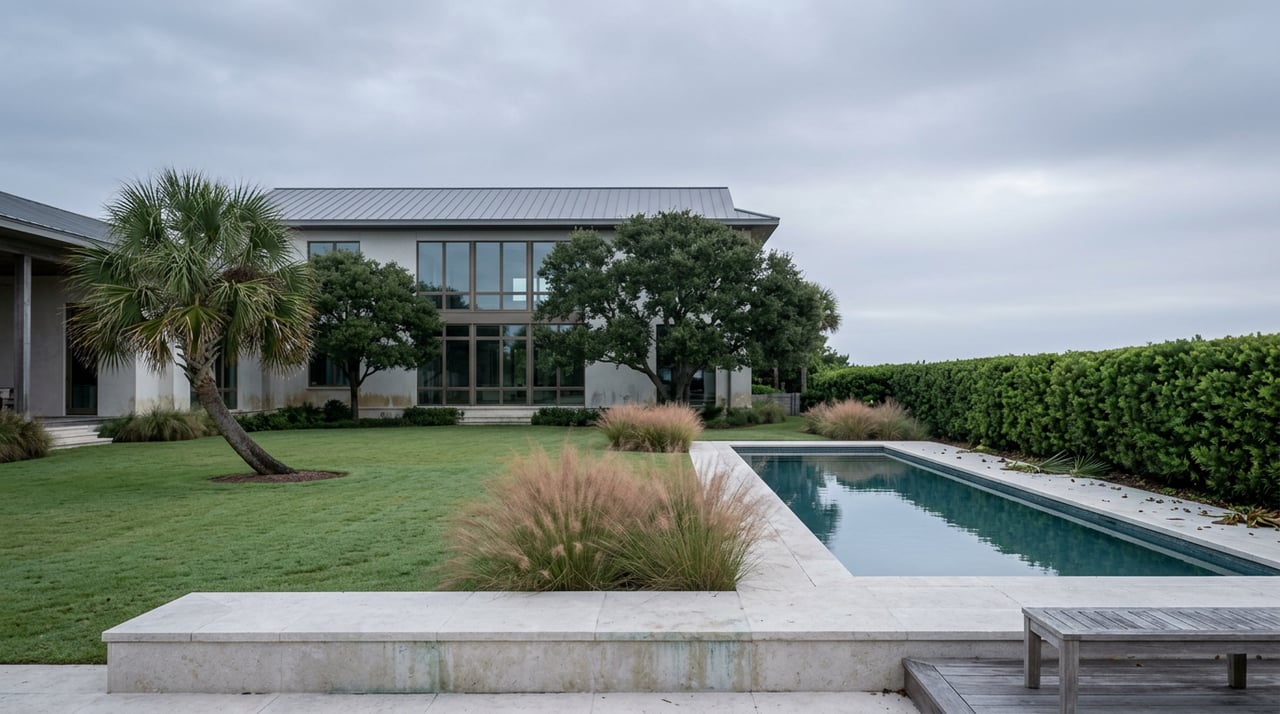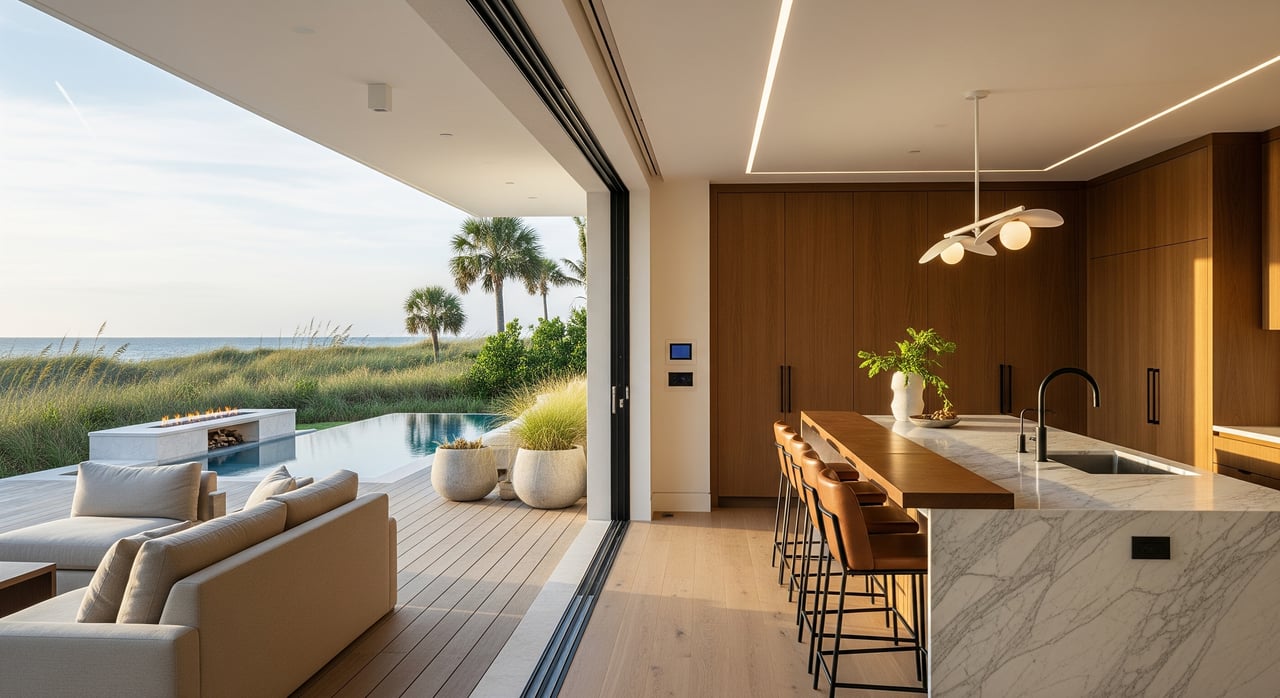
Thinking about elevating your Hobe Sound home before you sell or open it to seasonal renters? In 33455, the right design choices do more than look pretty. They reduce upkeep, withstand salt and storms, and create a lifestyle buyers and guests value. In this guide, you’ll learn which upgrades consistently resonate in Hobe Sound, how to tailor them to our coastal climate, and what to know about permits and timing.
Let’s dive in.
Who you’re designing for in 33455
Hobe Sound attracts a blend of full-time residents, second-home owners, retirees, and boaters who want low-maintenance living with easy indoor-outdoor flow. Many prioritize covered outdoor rooms, resilient materials, and smart storage for gear. If you are near the water, dock quality and shoreline care are big confidence boosters.
Seasonal rentals are also part of the story. Properties with functional outdoor spaces, more bedrooms, and a separate guest suite or casita tend to perform better. Local rules and HOA covenants can shape your options, so always verify what is allowed before you invest.
Start with climate-smart fundamentals
Coastal conditions in Martin County bring humidity, strong sun, summer storms, and salt air. Materials that resist rot and corrosion help you signal quality and reduce inspection red flags.
- Exterior cladding: Choose fiber cement, cement board, or marine-grade composites. Avoid untreated wood in exposed areas.
- Decking: Opt for composite decking rated for saltwater environments or tropical hardwoods like ipê with proper sealing.
- Interior floors: Porcelain tile or water-resistant luxury vinyl plank handle humidity well. Use engineered wood only in controlled conditions.
- Trim and fasteners: PVC or composite trim with stainless or marine-grade fasteners limits swelling and rust.
These choices often cost more upfront but reduce maintenance over time. They also communicate “turnkey” to discerning buyers and renters.
Create indoor-outdoor living zones
Buyers in South Florida look for comfortable outdoor rooms that work most of the year. Focus on shade, airflow, and impact-rated openings that blend inside with out.
- Lanais and porches: Install covered, ventilated areas with outdoor-rated ceiling fans and lighting.
- Large openings: Use hurricane-rated sliders or folding doors to widen sightlines and improve flow.
- Shade and screens: Add pergolas with retractable shades and motorized insect screens for flexible comfort.
- Outdoor kitchens: Choose marine-grade stainless appliances, sealed stone or porcelain counters, and weatherproof storage.
These improvements can lift your listing’s marketability and support higher rental rates, especially when paired with thoughtful lighting and landscaping.
Add a private guest casita
A detached or semi-detached guest suite offers flexibility for multigenerational living, long-stay guests, or income potential where permitted.
- Essentials: Include a kitchenette, full bath, dedicated HVAC, and a private entry. Keep finishes durable and easy to clean.
- Accessibility: Ground-level entries and minimal thresholds help older guests.
- Utilities: Verify sewer or septic capacity and electrical loads early.
- Privacy: Use landscape screening and sound buffering while keeping clear access for utilities and maintenance.
Check zoning, setbacks, lot coverage, parking, and any HOA rules with Martin County before you design. Permits and timelines vary, so plan well ahead.
Elevate your waterfront with smart dock upgrades
For waterfront owners, a well-designed, well-documented dock is a major draw. Focus on safety, durability, and compliance.
- Materials: Use composite decking, marine-grade stainless hardware, and pilings rated for marine use.
- Boatlifts: Size the lift to your vessel and confirm navigation and setback rules.
- Maintenance: Keep records of piling inspections, hardware replacement, and electrical checks.
- Permits: Docks, seawalls, and shoreline stabilization usually require county and state approvals. Review requirements with the Martin County Building Division and the Florida Department of Environmental Protection early, since environmental review can add time.
Waterfront work can be expensive, and ROI depends on your buyer pool. For the right buyer, though, quality waterfront infrastructure can be essential to realizing top price.
Light it right, inside and out
Lighting shapes mood, safety, and the usability of outdoor rooms after sunset. It also elevates listing photos and tour experiences.
- Exterior: Layer low-voltage LEDs for paths, steps, and architectural accents. Add task lighting in outdoor kitchens and on docks.
- Fixtures: Choose marine-grade finishes or stainless steel and seal penetrations to keep moisture out.
- Interior: Favor warm, dimmable fixtures in living areas and kitchens to create ambiance.
- Smart controls: Timers and smart switches add convenience and security when the home sits vacant between visits or rentals.
Energy-efficient LEDs reduce operating costs, which appeals to buyers and investors.
Layer landscaping for curb appeal and resilience
Well-planned, Florida-friendly landscaping delivers privacy, drains well, and stands up to storms and salt.
- Plant layers: Combine hurricane-resilient palms and native canopy trees with salt-tolerant shrubs for screening and foundation planting.
- Ground plane: Use Florida-friendly groundcovers and consider rain gardens or swales to manage runoff during heavy summer rains.
- Hardscape: Favor permeable pavers and correct grading to prevent standing water after storms.
- Rules and care: Check municipal and HOA guidelines for tree work, height limits, and fences.
For plant ideas and maintenance tips, explore the University of Florida IFAS Florida-Friendly Landscaping program.
Plan, permit, and time your project
A smooth process begins with early due diligence. The right sequence can save weeks and prevent costly redesign.
- Feasibility first: Confirm zoning, setbacks, flood zone status, easements, and any HOA restrictions. You can check your property’s FEMA flood zone and Base Flood Elevation, which influences design and insurance.
- Permits: Coordinate with the Martin County Building Division for building, electrical, plumbing, dock, and environmental permits. Dock or shoreline work may also involve the Florida Department of Environmental Protection.
- Hurricane season: South Florida’s hurricane season typically runs June through November. For schedule planning and storm awareness, refer to the National Hurricane Center.
Typical timelines
- Minor upgrades: 2 to 6 weeks for lighting, landscape refresh, and outdoor furnishing or staging.
- Medium projects: 6 to 16 weeks for decking, a screened lanai, an outdoor kitchen, or interior finish updates.
- Major projects: Several months to a year for a casita, dock or seawall, additions, or a full outdoor living suite. Permits can extend timelines.
Budget and ROI: where to spend now
Spend where the market sees and values the work. In coastal Martin County, buyers pay a premium for durability, outdoor living, and turnkey presentation.
- High-impact choices: Composite or marine-grade decking, impact-rated doors, and outdoor kitchens tend to resonate. These signal quality and reduce upkeep.
- Waterfront caution: Docks and seawalls are essential for waterfront buyers but may have limited value inland.
- Presentation wins: Strategic lighting, tasteful staging, and a layered landscape often punch above their cost.
For a national view of project payback, the annual Cost vs. Value Report from Remodeling magazine is a useful reference. Local buyer priorities ultimately drive what performs in 33455.
Pre-sale prep checklist
- Align materials with the coast: fiber cement, composite trim, marine-grade fasteners.
- Create usable shade: covered lanais, fans, and motorized screens.
- Widen the opening: impact-rated sliders or folding doors that extend living space.
- Define zones: outdoor kitchen, dining, lounging, and a quiet reading nook.
- Consider a casita: confirm zoning and utilities before design.
- Upgrade the dock: composite decking, documented maintenance, code-compliant lift.
- Layer the light: path, task, and accent lighting with smart controls.
- Landscape with purpose: native, salt-tolerant species and permeable hardscape.
- Document everything: permits, warranties, and maintenance records ready for buyers.
The bottom line
In Hobe Sound, the upgrades that win are beautiful, durable, and practical. Build outdoor rooms you can use most of the year. Choose materials that stand up to salt and sun. If you have waterfront, treat the shoreline and dock as part of the living experience. Where permitted, a private guest casita broadens your audience and income potential.
If you are considering a strategic refresh before listing, or you want to tailor improvements to seasonal rental demand, connect with a design-informed local advisor. Susan Turner combines deep market knowledge with interior design and construction insight to help you focus on the upgrades that matter. Let’s connect.
FAQs
What materials hold up best in Hobe Sound’s coastal climate?
- Favor fiber cement or marine-grade composites for exteriors, composite or ipê for decks, porcelain tile or water-resistant LVP indoors, and PVC trim with stainless or marine-grade fasteners.
Do I need permits for a dock or seawall in Martin County?
- Yes. Docks, pilings, seawalls, and shoreline work typically require county and state approvals. Start with the Martin County Building Division and the Florida Department of Environmental Protection.
Are guest casitas allowed in 33455?
- It depends on zoning, setbacks, utilities, and any HOA rules. Confirm requirements with the county before design and budgeting, and plan for building permits and inspections.
How can I make outdoor spaces comfortable year-round in South Florida?
- Provide shade, airflow, and insect control with covered lanais, outdoor-rated fans, and motorized screens, plus impact-rated doors to connect indoor and outdoor areas.
Which plants handle salt and storms near the coast?
- Choose Florida-friendly, salt-tolerant species and hurricane-resilient palms. For plant lists and care tips, see the UF IFAS Florida-Friendly Landscaping program.
When should I schedule outdoor projects around hurricane season?
- Aim to complete major exterior work before June or plan for contingencies during June to November. For storm timing and preparedness, follow the National Hurricane Center.