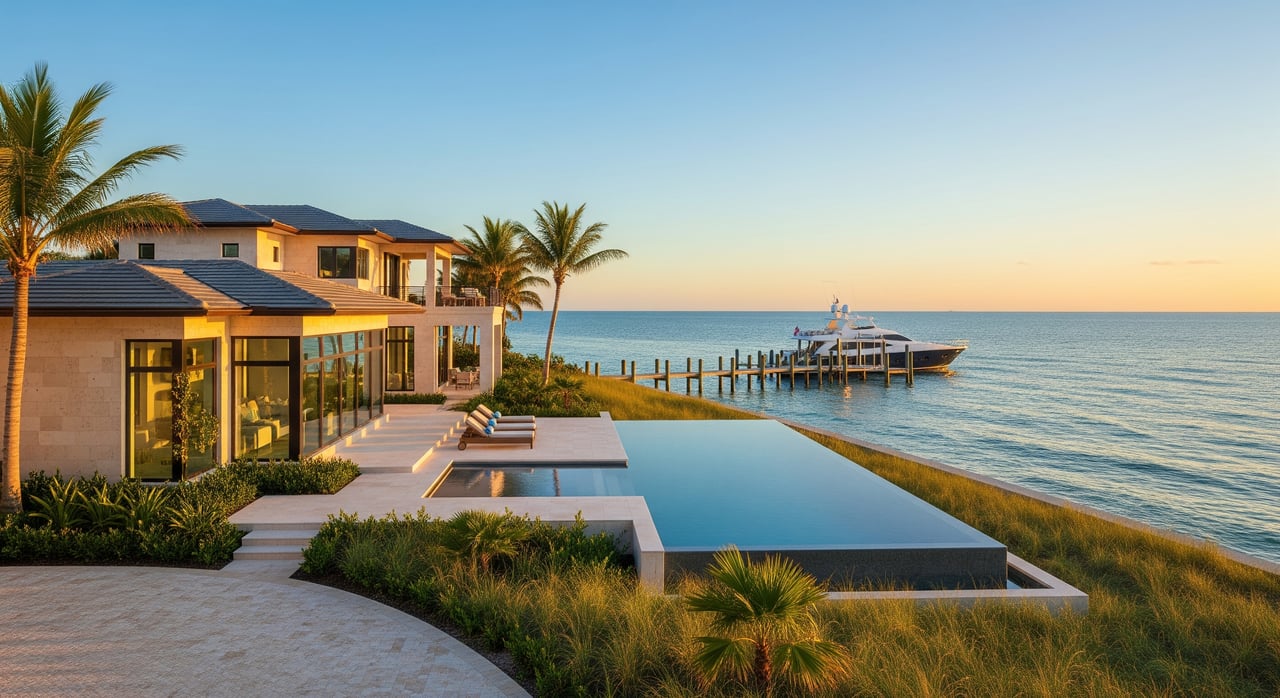
What really makes one Jupiter Island property trade higher than another that looks similar on paper? On this barrier island, small differences in location, elevation, and presentation can shift value by millions. If you are exploring a purchase or planning a sale, you want a clear framework to judge what matters most and what to verify before you move. This guide breaks down the core value drivers, the regulatory and insurance realities, and the due diligence steps that help you act with confidence. Let’s dive in.
Jupiter Island market at a glance
Jupiter Island is a low-inventory, high-value market where many purchases are cash or use large jumbo financing. Buyers often seek privacy, ocean or Intracoastal lifestyle, and turnkey readiness. Seasonality matters, with more activity from fall through spring as out-of-state and international buyers focus their search.
Because properties are unique and sales are infrequent, single trophy sales can skew averages for a quarter. Reliable pricing depends on truly comparable sales that match frontage type, lot width, elevation, view corridors, and build quality. Expect longer due diligence driven by surveys, elevation certificates, insurance underwriting, and thorough inspections.
Location on the island matters most
Oceanfront premiums
Direct oceanfront with unobstructed views and private beach access typically commands the highest price per front foot. Buyers value the surf-side experience, breezes, and dramatic views. The tradeoff is higher exposure to coastal regulations and flood risk, which affect insurance costs and rebuild rules.
Intracoastal value for boaters
Intracoastal frontage can carry strong premiums for protected water views and boating access. Depth for docking, allowable boat size, lift capacity, and west-facing sunset views all influence value. Proximity to bridges and navigation ease are practical considerations for yachting buyers.
Interior lots and privacy
Interior properties offer a lower entry point than waterfront but still trade well when they combine scale, seclusion, and a high-quality estate home. Large parcels with lush landscaping and thoughtful orientation can hold value, especially when the residence is turnkey.
Lot size, frontage and orientation
Front feet and lot width
On both coasts of the island, frontage width is a core metric. Wider ocean or Intracoastal frontage increases architectural flexibility, privacy, and landscape buffers, often pushing up the price per front foot. Narrow frontages limit design options and view width.
Depth, buildable area and setbacks
Lot depth shapes how you place the main house, pool, guest structure, and garages. Always distinguish gross lot size from usable buildable area, since coastal setbacks, dune preservation, and easements trim the envelope. This difference is material to both current utility and future renovations.
View corridors and sun angles
Long, unobstructed water views create premium value. The angle of the lot to the shoreline also matters, since it determines sunrise and sunset moments. Vegetation, neighboring structures, and dune height can enhance or limit those sightlines. Even a small, protected view corridor can influence pricing.
Elevation and dune profile
Elevation above sea level and the quality of the dune system affect perceived risk and insurance costs. Higher ground and natural dune protection typically command a premium because they lower expected flood exposure and increase long-term comfort for owners.
Access and privacy
Private dune crossovers and direct beach paths add meaningful value. Distance from public access points and thoughtful landscape screening enhance daily privacy and market appeal. On a quiet island, seclusion is a lifestyle feature as much as a site attribute.
Architecture, condition and turnkey appeal
Design pedigree and builder quality
Homes by respected architects or top custom builders often achieve higher prices. Proven craftsmanship, thoughtful floor plans, and enduring materials resonate with buyers who value provenance and design integrity.
Resilient construction and systems
Impact-rated windows and doors, reinforced structures, elevated foundations where required, modern HVAC, and whole-house generators are priorities. Clear documentation of maintenance and upgrades supports pricing and improves insurability. Buyers also appreciate water treatment, smart-home systems, and robust mechanicals.
Interiors, amenities and staging
High-end kitchens, spa-like baths, integrated technology, and resort-grade outdoor living drive interest. Turnkey presentation sells faster because it reduces friction for out-of-area buyers who want immediate enjoyment. Professional staging and immaculate presentation often deliver a measurable premium.
Landscape, pools and docks
Mature, designed landscaping frames the architecture and protects privacy. On Intracoastal lots, quality docks, boat lifts, and dependable water depth are major value drivers. On oceanfront, terraces, pools, and wind-conscious outdoor rooms elevate the experience and support pricing.
Insurance, permitting and carrying costs
Flood zones and elevation certificates
FEMA flood zones, such as AE and VE, influence underwriting and premiums. An elevation certificate is essential to estimate costs and satisfy lender requirements. You can review maps and designations through the FEMA Flood Map Service Center to understand a parcel’s baseline exposure.
Coastal Construction Control Line and permitting
Renovations and new construction must observe the Coastal Construction Control Line and local zoning rules. Setbacks, allowable elevations, and dune protections shape what you can do on site and how long it may take. For state-level guidance, consult the Florida Department of Environmental Protection regarding CCCL regulations and processes.
Property insurance realities
Windstorm and hurricane coverage on exposed coastal parcels can be costly and may involve multiple policies. Mitigation features, documented upgrades, and maintenance records help underwriters evaluate risk. Transparent disclosure of prior storm impacts and repairs can smooth negotiations.
Taxes and municipal rules
Property taxes are based on Martin County assessments, which vary by parcel and improvements. Confirm current assessments, any special districts, and local codes early in the process. This clarity helps you estimate total carrying costs and avoid surprises during due diligence.
Financing and cash considerations
Jumbo and super-jumbo financing requires robust documentation and often a larger down payment. Many buyers choose cash to streamline timing and avoid appraisal complexity on bespoke properties. If you finance, be prepared to provide flood insurance proof, title insurance, and elevation data.
Annual carrying costs
Expect higher absolute carrying costs given the caliber of property. Budget for insurance, property taxes, utilities, landscape and pool care, systems maintenance, security, and seasonal management if the home is not occupied year-round.
How value is measured here
Price per front foot
On oceanfront and Intracoastal lots, price per front foot is a common benchmark for similar parcels. Wider frontages and better view corridors support higher numbers. This metric is most reliable when other factors like elevation and buildability align.
Comparable sales selection
Because each estate is unique, choose comps with matching frontage type, lot width, elevation, orientation, and build quality. Recency matters in a low-transaction market, since one notable sale can move averages for a quarter without signaling a broad trend.
Replacement cost and upgrades
Many buyers weigh a legacy estate against new construction or a comprehensive renovation. Replacement cost, current codes, and the cost to upgrade for resilience and luxury finish help frame value. Clear permits and certified plans add confidence.
Liquidity and time on market
This market is less liquid than suburban neighborhoods due to high price points and uniqueness. The right turnkey property can sell quickly when it meets a specific buyer’s brief. Expect negotiation around contingencies tied to insurance, permitting, surveys, docks, and utilities.
Smart due diligence moves
Buyer checklist
- Recent land survey showing boundaries, setbacks, and any recorded easements.
- Elevation certificate and FEMA flood zone verification for underwriting and insurance estimates.
- Title search for dune crossovers, public access, or utility easements.
- Building permits and certified plans for major renovations or additions.
- Structural, roof, and systems inspections, plus documentation of hurricane protection features.
- Insurance quotes for windstorm and flood from qualified providers, including mitigation credits.
- Environmental or shoreline reports if you plan dune work or significant construction.
- Dock rights, allowable boat sizes, water depths, and maintenance responsibilities on Intracoastal parcels.
- Recent comparable sales and active inventory that match frontage and build quality.
Seller checklist
- Compile permit history, surveys, elevation certificate, and recent inspection reports.
- Preliminarily review insurance options to set realistic buyer expectations on premiums.
- Tackle targeted upgrades with strong ROI, such as hurricane mitigation, generator installation, exterior refresh, and key kitchen or bath updates.
- Stage for a turnkey reveal, and commission professional photography and drone imagery to showcase frontage, privacy, and view corridors.
- Aim marketing to likely buyer pools, including private networks that value discretion.
Timing and presentation strategy
Most activity concentrates between fall and spring, when seasonal and out-of-state buyers are on the island. Listing into this window can enhance visibility, although exceptional properties perform year-round. Presentation is critical. Thoughtful pre-list work, design-led staging, cinematic visuals, and discreet distribution help you capture the right audience and preserve privacy.
If you are weighing renovations, focus on resilience, systems, and livability before cosmetic flourishes. Buyers respond to homes that feel cared for, engineered for the coast, and ready for immediate enjoyment.
A Jupiter Island purchase or sale rewards preparation. When you ground decisions in site fundamentals, resilience, and clear documentation, you move faster and negotiate from strength. If you would like a design-informed, locally rooted plan tailored to your property or search, connect with Susan Turner. Let’s connect.
FAQs
Will an oceanfront home on Jupiter Island hold value despite storms?
- Elevated lots with healthy dunes, unobstructed views, and private access tend to hold value better because scarcity, elevation, and long-term beach management influence buyer confidence.
How much does elevation affect flood insurance on Jupiter Island?
- Elevation and FEMA flood zone designation significantly impact flood premiums; obtain an elevation certificate and review the FEMA Flood Map Service Center before you set expectations.
Do Intracoastal properties sell for less than oceanfront on Jupiter Island?
- Often yes on a per front foot basis, but deep-water docks, wide water views, and protected navigation can push Intracoastal values higher than many expect.
Is a turnkey home really worth the premium on Jupiter Island?
- Frequently yes, because turnkey presentation expands the buyer pool, shortens time on market, and reduces renovation risk for out-of-area purchasers.
Do I need cash to buy on Jupiter Island?
- Cash is common but not required; jumbo and super-jumbo loans are available, though lenders will require strong documentation, flood insurance, and thorough due diligence.
When is the best time to list a Jupiter Island property?
- Activity is strongest from fall through spring, so aligning with high season can boost visibility, but exceptional properties presented well can succeed any time of year.