A seasonal rental in Hobe Sound should not feel like a generic vacation property. It should feel easy, polished, and quietly complete from the moment your guest arrives. If you are preparing a home for winter visitors or shorter stays, the right positioning can help you attract the kind of renter who values privacy, comfort, and a well-run experience. Here is how to shape a Hobe Sound home for seasonal rental guests in a way that fits the market and supports long-term value.
Why Hobe Sound Calls for a Different Approach
Hobe Sound has a distinctly residential feel. In ZIP code 33455, the area has a high owner-occupied housing rate, and most residents remain in the same home year to year. Local planning also emphasizes preserving Hobe Sound’s small-town character and improving walkability around Bridge Road.
That matters when you position a seasonal rental. In this market, guests are more likely to respond to a home that feels discreet, settled, and turnkey than one that feels highly themed or overly commercial.
Understand the Seasonal Guest Mindset
Hobe Sound’s strongest visitor appeal is tied to the outdoors. The Nathaniel P. Reed Hobe Sound National Wildlife Refuge includes 3.5 miles of Atlantic beach, nearly 10 miles of mangroves, and more than 180,000 annual visitors. Jonathan Dickinson State Park also draws interest with the Loxahatchee River, coastal sand hills, scrub forests, and upland lakes.
For you as an owner, that points to a clear guest profile. Seasonal renters here are often looking for privacy, beach access, nature, and easy outdoor living rather than a loud resort atmosphere.
Create a Turnkey Interior Experience
A premium seasonal home should feel calm the second someone walks in. That usually means an edited interior, a clear floor plan, and furniture placement that makes the home easy to understand without explanation. The goal is to remove friction so your guest can unpack and settle in right away.
Neutral coastal tones tend to support this well. Durable upholstery, layered lighting, and practical storage can make the home feel refined while still standing up to repeat use.
Keep Furnishings Cohesive and Useful
Your furnishings should support the way people actually live during a seasonal stay. That means enough seating for the home’s real occupancy, surfaces that are easy to clean, and décor that feels restrained rather than crowded.
Bedrooms should also feel consistently comfortable. Strong mattresses, dependable bedding quality, and a sense of balance from room to room help the home read as professionally prepared.
Make Bathrooms and Kitchens Work Harder
Bathrooms often shape a guest’s first impression of whether a home is truly ready. Good lighting, ample hooks, shelves, and simple storage can make everyday use much easier.
The kitchen should also feel stocked for real life, not staged for photos alone. If a guest is staying for a week or a season, they need the space to function as a home base.
Do Not Overlook Everyday Convenience
Small details often carry the most weight during a stay. Wi-Fi access, charging areas, and clear work surfaces should be obvious and easy to use.
Storage matters just as much. Guests need places for luggage, beach gear, and day-to-day items so the home stays organized without effort.
Prioritize Outdoor Living
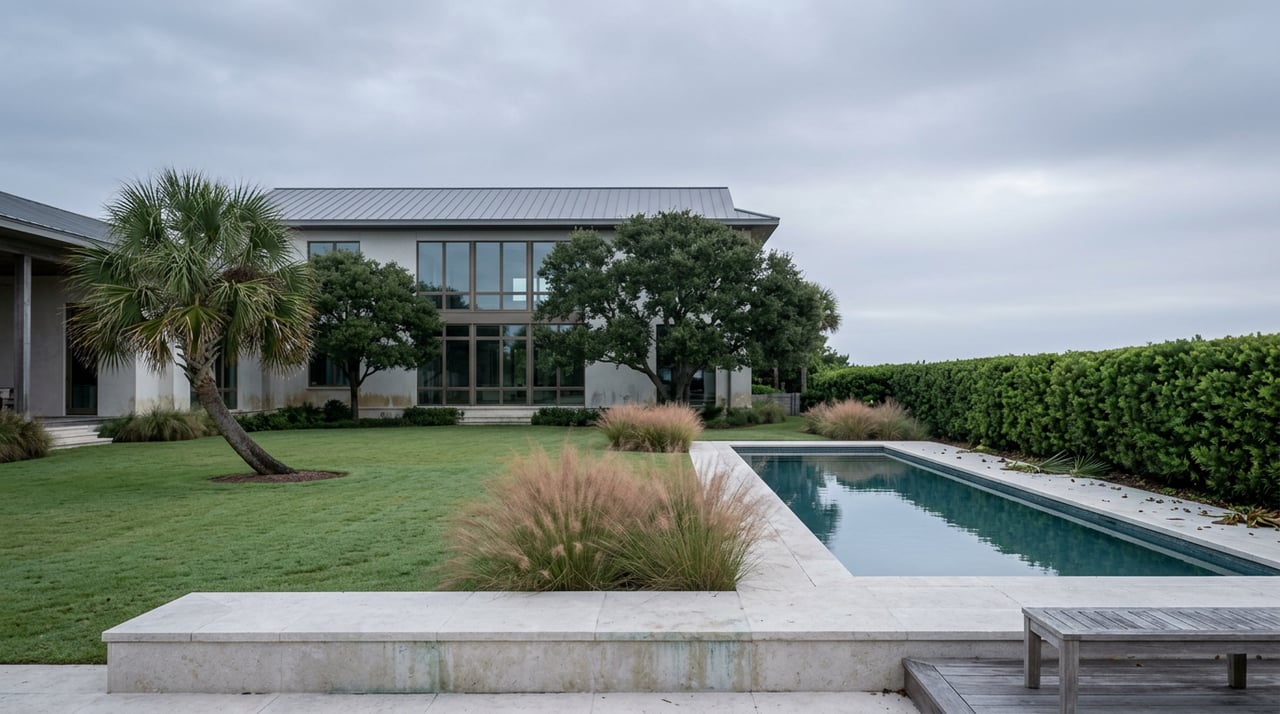
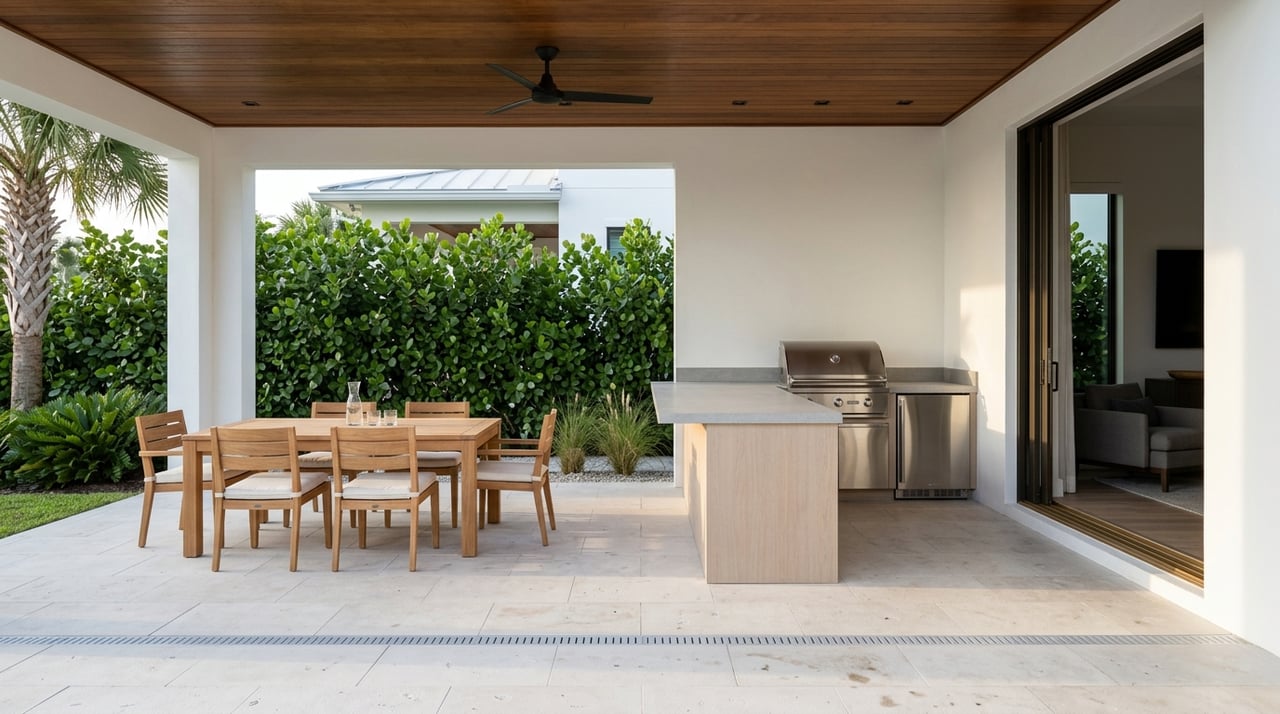
In Hobe Sound, outdoor space is part of the product. A patio, lanai, screened area, pool setting, or outdoor dining zone should feel intentional, maintained, and ready to use.
That does not mean every property needs every feature. It does mean the exterior should support the lifestyle people come here for, which is relaxed, coastal, and centered on time outside.
Outdoor Features That Add Real Value
The most useful outdoor upgrades are often the simplest ones. Focus on comfort, function, and ease of upkeep.
- Shaded seating areas
- Outdoor dining space
- Easy-clean patio and pool surfaces
- Storage for bicycles, beach chairs, and carts
- Hose-off or rinse areas near entry points
- Welcoming landscape lighting
These details help the property feel better planned and easier to enjoy during a longer stay.
Plan Landscaping With Local Conditions in Mind
A beautiful exterior should also be realistic to maintain. Martin County’s irrigation rules apply in unincorporated Hobe Sound and limit watering by address parity and time of day. Because of that, native or low-water landscaping can help you maintain curb appeal more consistently.
Dependable landscape service is just as important. Seasonal homes perform best when the exterior looks stable, fresh, and cared for without requiring last-minute fixes between guests.
Build in Weather Readiness
Storm planning should be part of your rental strategy, not a last-minute task. NOAA identifies Atlantic hurricane season as June 1 through November 30, so homes in this area benefit from clear preparedness materials.
For seasonal guests, that can include simple shutter or impact-protection instructions, emergency contacts, flashlights, and basic supplies. A local manager or contact who can respond quickly if weather changes is also an important part of a premium guest experience.
Treat Management as Part of the Product
Many rental issues are not caused by the home itself. They come from inconsistent service, delayed communication, or poor turnover support. In seasonal rentals, management is part of what your guest is actually booking.
Professional housekeeping, linen service, pool care, pest control, and routine landscape maintenance can all reduce friction. A local point of contact also gives guests a clear path if something needs attention during their stay.
Services That Help Reduce Guest Issues
If you want your home to feel genuinely turnkey, these support items matter:
- Professional cleaning between guests
- Fresh, clean bedding and linens for each stay
- Pool and patio maintenance
- Pest control
- Ongoing landscape care
- Responsive local contact support
Florida’s DBPR notes that bedding and linens should be clean and changed between guests, and properties should be kept free of vermin. That is one reason reliable turnover systems matter so much.
Confirm Local Operating Requirements Early
Before you market a home as a seasonal rental, confirm the operating structure with the county. Martin County states that a Business Tax Receipt requires zoning approval and a fire safety inspection as part of the application process. New businesses must also complete a fire inspection during the BTR process.
That makes early planning important. If you are considering a seasonal rental strategy, compliance should be part of the setup from the beginning rather than something addressed after marketing starts.
Understand State Licensing and Tax Basics
Florida’s DBPR licenses vacation rentals and distinguishes between condominium and dwelling classifications. That state-level framework is useful to review as you evaluate how your property may be operated.
Tax planning matters too. Florida’s general state sales tax is 6%, Martin County’s tourist development tax is 5%, and the Florida Department of Revenue shows Martin County’s discretionary sales surtax at 0.5% for 2026. For transient rentals, owners should confirm how the applicable taxes are reported and handled with their tax and legal advisors.
Position the Home With Quiet Luxury
The strongest seasonal rentals in Hobe Sound are not usually the flashiest ones. They tend to feel discreet, polished, and genuinely easy to use. That approach fits both the guest mindset and the character the community works to preserve.
If you are preparing a home for seasonal rental guests, think less about spectacle and more about low-friction living. A calm interior, functional outdoor space, dependable services, and early compliance planning can all help your property stand out for the right reasons.
When you want a design-led perspective on how a Hobe Sound property can be presented for seasonal appeal, Susan Turner offers a refined, hands-on approach shaped by local knowledge, construction insight, and a deep understanding of turnkey coastal living.
FAQs
What makes a Hobe Sound seasonal rental feel premium to guests?
- A premium seasonal rental in Hobe Sound usually feels calm, turnkey, and residential, with cohesive interiors, strong bedroom comfort, practical storage, and well-planned outdoor living spaces.
Which outdoor features matter most for a seasonal rental in Hobe Sound?
- The most useful exterior features often include shaded seating, outdoor dining, easy-clean pool or patio surfaces, beach-gear storage, rinse areas, and welcoming landscape lighting.
What management services should a Hobe Sound seasonal rental owner arrange?
- Owners should typically plan for professional housekeeping, linen service, pool care, pest control, landscape maintenance, and a responsive local point of contact.
What should owners confirm before marketing a seasonal rental in Martin County?
- Owners should confirm local operating requirements early, including zoning approval, fire safety inspection steps, and Business Tax Receipt requirements through Martin County.
What taxes may apply to a seasonal rental in Hobe Sound?
- Seasonal rentals may involve Florida state sales tax, Martin County tourist development tax, and the county discretionary sales surtax, so owners should confirm exact treatment with their tax and legal advisors.